
Forgetting to renew a domain name is a nightmare scenario for any business owner, creator, or website administrator. You miss a renewal reminder email, pass the expiration date, and within days or weeks, your domain is registered by someone else-often listed for sale at thousands of dollars or serving spam ads.
How did this happen so fast? Why do expired domains get snatched up almost instantly, and what can you do to prevent it from ever happening again?
The Lifecycle of an Expired Domain
When your domain registration expires, it doesn’t immediately become available for anyone to register on a first-come, first-served basis. Most domain registries (like .com or .net managed by Verisign) follow a strict lifecycle:
- Grace Period (Auto-Renew Grace Period): Usually lasts 30 to 45 days after expiration. During this time, the domain stops resolving to your site, but you can still renew it with your registrar at the normal renewal rate.
- Redemption Period (Redemption Grace Period): Lasts around 30 days after the grace period ends. The registrar holds the domain, but renewing it now incurs a steep penalty/redemption fee (often $80 – $250+).
- Pending Delete: Lasts 5 days. The domain is queued for deletion from the central registry and can no longer be redeemed by the original owner.
- Public Release: The domain is officially deleted from the registry database and becomes available to the public.
Why Do Expired Domains Get Bought So Quickly?
The moment an expired domain enters the pending delete or public release phase, automated systems step in. Here is why domain investors, drop catchers, and bots target expired domains:
1. Automated “Drop Catching” Services
Automated software bots operated by domain drop-catching companies (such as SnapNames, Pool, or NameJet) monitor the exact second a domain drops from the central registry. These bots send thousands of API requests per second to acquire valuable domains the instant they hit the market.
2. Existing SEO Value & Backlink Profiles
Domains that have been active for years possess domain authority, indexed pages, and valuable backlinks from other websites. Marketers and domainers buy these domains to build affiliate sites, redirect traffic, or resell them to the former owner or competitors.
3. Cybersquatting & Domain Flipping
Some buyers specifically monitor expiring domains linked to active businesses. They buy the domain hoping you will be forced to buy it back at a premium price.
What Can You Do If Your Domain Was Bought?
- Check Whois Information: See if the buyer listed contact details or an inquiry form.
- Negotiate (Cautiously): You can attempt to purchase it back, though prices are often inflated. Avoid revealing urgent business dependence to keep the price lower.
- Explore Legal Options: If you own a registered trademark for the domain name, you may file a UDRP (Uniform Domain-Name Dispute-Resolution Policy) complaint against bad-faith buyers.
How to Prevent Domain & SSL Expiration Disasters
Relying on registrar email notifications is often not enough-emails get filtered into spam, payment methods on file expire, or notification settings get misconfigured.
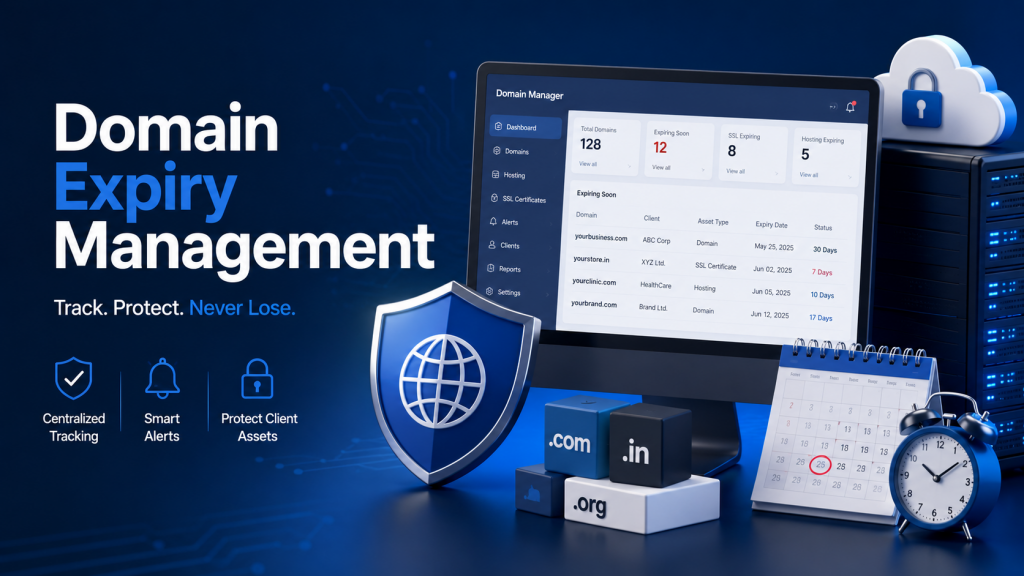
To ensure total peace of mind for your online assets, use dedicated monitoring software like Codxpert SSL Monitor & Domain Manager.
With SSL Monitor & Domain Manager, you can:
- Track domain expiration dates across multiple registrars in one centralized dashboard.
- Receive timely alerts via email and webhooks long before your domain enters the critical grace period.
- Monitor SSL certificate validity to prevent unexpected site downtime and security warnings.
Frequently Asked Questions (FAQs)
1. Can I get my domain back if someone else bought it?
If the domain was acquired legally after it was released by the registry, the new owner is under no legal obligation to sell it back. You can attempt to negotiate a buyback price or hire a domain broker. However, if the buyer registered your trademarked name in bad faith, you can file a UDRP claim to reclaim ownership legally.
2. How long after a domain expires does it become available?
Typically, it takes between 70 to 80 days after expiration for a domain to pass through the Grace Period (30-45 days), Redemption Period (30 days), and Pending Delete status (5 days) before it drops into the public domain pool.
3. Why did my registrar charge a high fee to renew my expired domain?
Once a domain passes the standard Grace Period and enters the Redemption Grace Period, registry operator policy requires a redemption fee (often $80 to $250+) to restore the domain out of the deletion queue.
4. Will enabling Auto-Renew guarantee my domain never expires?
Auto-renew helps, but it is not foolproof. Credit cards expire, banks block recurring foreign charges, or billing emails get bounced. To safeguard critical business assets, automated third-party monitoring via tools like Codxpert SSL Monitor & Domain Manager is essential.